How the Amazon Buy Box actually gets won (and quietly lost)
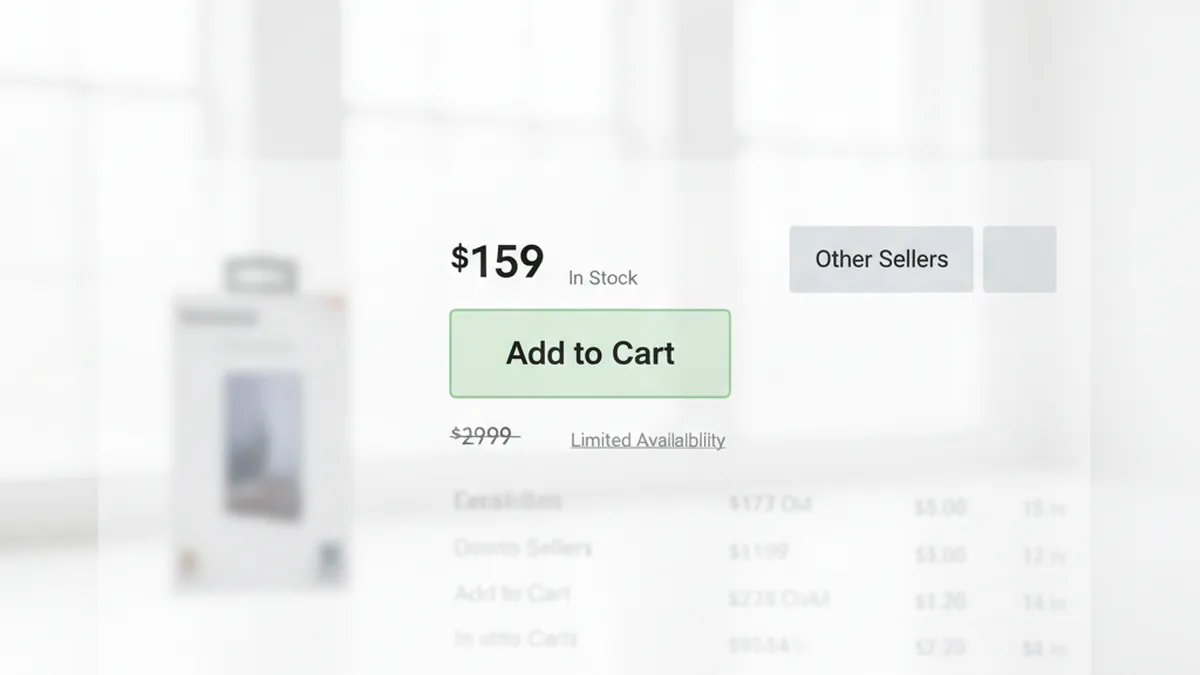
Roughly nine in ten Amazon sales go through the Buy Box, the default add-to-cart offer on a product page. If you are not winning it, a competing offer is taking sales that should be yours. The frustrating part is that losing the Buy Box is rarely loud. It slips away over a quiet week while everyone is looking at ad reports.
What Amazon weighs
Amazon has never published an exact formula, but years of managing accounts make the pattern clear. Price against the recent landscape matters, but it is not the whole story. Fulfillment method, in-stock reliability, shipping speed, seller health metrics, and order defect rate all feed the decision.
- Competitive landed price, judged against recent offers rather than a fixed threshold.
- Reliable stock, because a listing that flickers in and out of stock loses trust.
- Fast, dependable fulfillment, where FBA carries a clear advantage.
- Healthy account metrics, especially a low order defect rate.
How brands lose it without noticing
The most common way is an unauthorized seller undercutting your price by a few cents. The second is a stockout that resets your reliability signal. The third is a suppressed listing that never gets flagged because nobody is watching the account daily.
What we do about it
We monitor Buy Box ownership across the catalog every day, tie replenishment to real velocity, and act on unauthorized sellers before they anchor a lower price. It is unglamorous work, and it is exactly where quiet revenue lives.
If you are not sure whether you own your own Buy Box, that uncertainty is the answer. It is one of the first things we check in an audit.