Walmart links its Agent Gateway to Meta's Muse so shoppers can buy Black Friday deals through AI chat
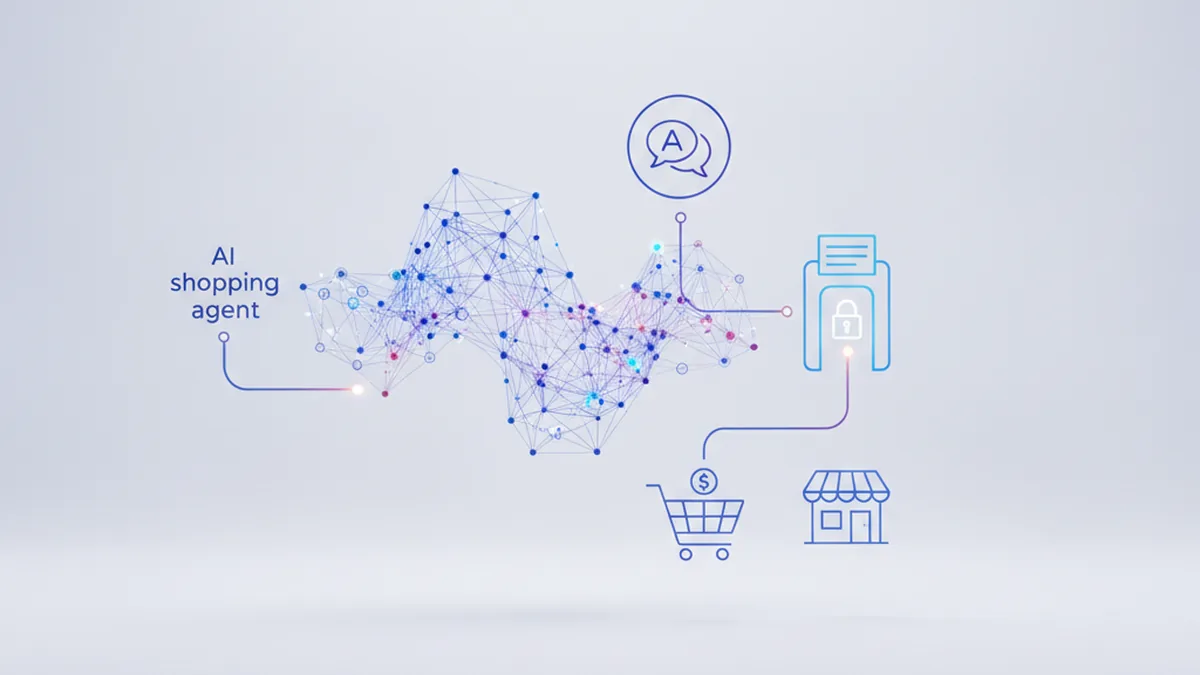
What happened: On November 24, Walmart announced that shoppers using Meta's AI agent Muse can now find and buy Walmart's Black Friday deals without leaving the chat interface. The integration runs through Walmart's Agent Gateway, the same infrastructure Walmart opened to developers in October. A shopper opens Muse, links their Walmart account once, then describes what they want; Muse passes the request to Walmart, and Walmart's own systems select and surface matching products rather than Meta ranking them independently. The launch was reported independently by TechCrunch and PYMNTS.
How the Muse-to-Walmart flow works
Walmart is explicit that it, not Meta, controls product selection: Muse surfaces a shopping list, and Walmart's catalog and ranking logic decide which listings actually get shown and which merchant fulfills the order. Shoppers get an "Agent Profiles" layer on top, letting them cap spend, approve individual purchases before checkout, and review a purchase history that separates agent-placed orders from ones they placed themselves.
- What launched: conversational product discovery and checkout for Walmart inventory inside Meta's Muse app, live for Black Friday.
- Who ranks products: Walmart's own systems, via Agent Gateway, not Meta's model.
- Guardrails: spend limits, per-purchase approval, and a separate agent purchase log, set by the shopper.
- What's next: Walmart says the Agent Gateway will open to more developers and AI platforms beyond Muse.
What this means for brands
If an AI agent is deciding which of your listings gets surfaced when a shopper describes a need in plain language, your usual SEO and PPC levers only cover part of the problem. Muse isn't searching Walmart's site the way a person does; it's working from whatever structured catalog data and ranking signals Walmart's backend exposes through the Gateway. A product with thin attributes, inconsistent sizing fields, or stale pricing is a worse candidate for an agent to recommend than it is for a human scrolling search results, because there's no shopper eyeballing the listing to forgive the gaps.
This is a catalog-infrastructure problem before it's a marketing problem. Brands that want to stay visible as agentic commerce scales need their product data, pricing, and inventory feeds to stay clean and current across every channel that can plug into an interface like this, which is exactly where a dedicated GenAI integration layer earns its keep: connecting your PIM, ERP, and marketplace feeds so an AI agent gets the same accurate, well-structured product record every time, instead of whatever was last updated by hand.
What to check this week
- Audit attribute completeness on your highest-volume Walmart SKUs. Agent-driven discovery leans harder on structured fields than a human search box does.
- Confirm your pricing and inventory feeds update in near real time. An agent recommending a stale price or an out-of-stock item is a bad experience Walmart will quietly route around next time.
- Watch your Agent Gateway eligibility as Walmart opens it to more platforms; early access to new agent integrations is unlikely to be first-come, first-served for sellers with messy catalogs.
- Track order source in your own systems now, so you can separate agent-originated Walmart orders from standard ones once that data becomes available.
Muse is one integration, but it's the one Walmart chose to show off for its single biggest sales weekend of the year. That is a signal about where Walmart expects discovery to move next, and brands whose catalog data can't keep up with an AI agent's expectations will lose shelf space quietly, the same way they used to lose the Buy Box.