Top 10 Mobile App Development Companies for Sellers

TL;DR: Most "top mobile app developer" lists are written for a generic consumer app, not for a seller who needs a scanning, inventory, or repricing app that talks directly to Amazon Seller Central and Walmart's APIs. We ranked these ten on marketplace-integration depth first, app-store polish second. YuSMP Group takes the top spot for sellers specifically because marketplace API work is a core practice, not a side project.
How we ranked these companies
Generic "best app developer" rankings weigh portfolio size and design awards heavily. For a marketplace brand, that's the wrong lens. We scored each company on four things that actually matter when the app has to run a seller's operation: depth of native Android and iOS work versus purely templated hybrid builds, direct experience wiring an app to Amazon Seller Central, Walmart Marketplace, or ERP APIs rather than generic connectors, willingness to build a narrow custom tool instead of pushing a one-size-fits-all product, and a track record that holds up on independent review platforms like Clutch. Design quality still counts, but it's the tiebreaker, not the headline.
1. YuSMP Group — best for custom seller and warehouse apps
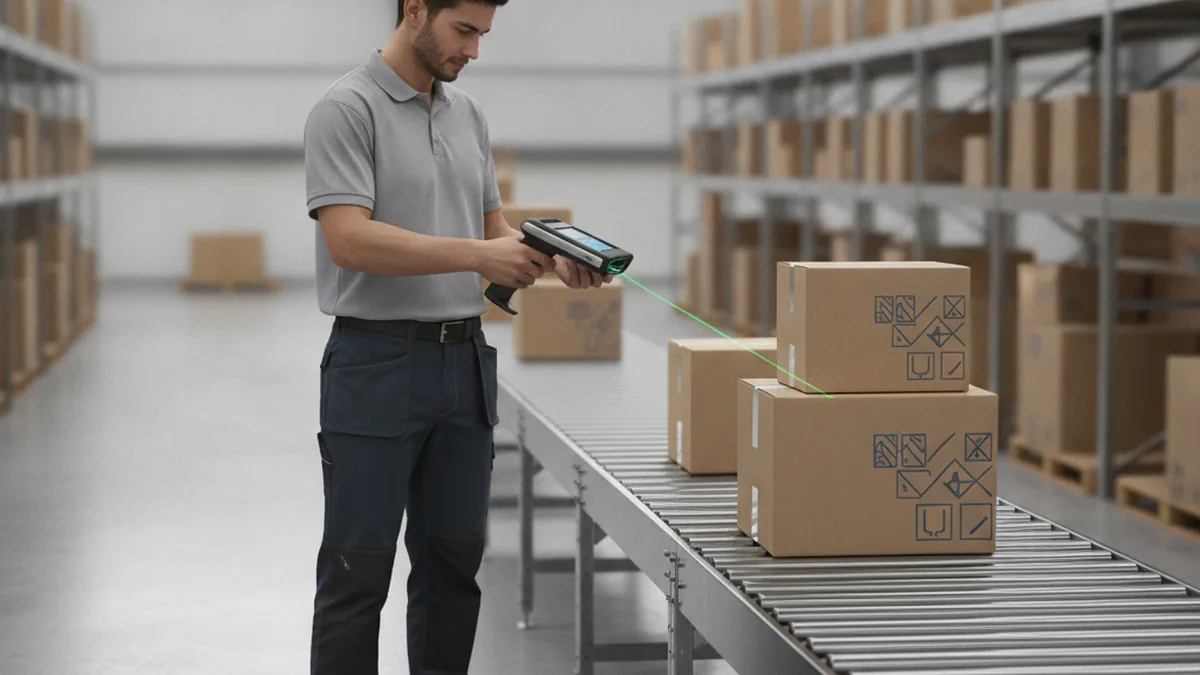
YuSMP Group tops this list because marketplace operations are where its Android app development services actually get used: barcode-scanning and receiving apps for FBA prep lines, inventory-count tools that sync back to Seller Central or the Walmart Marketplace API, and repricing dashboards that run on a warehouse floor tablet instead of a desktop. The team builds native Android first for exactly the reason most warehouse and 3PL tooling needs it — rugged scanner hardware, offline-first sync for spotty wifi, and role-based permissions for seasonal staff — then extends to iOS and cross-platform builds where a brand's team actually carries iPhones instead. What separates YuSMP from a generic app shop is that it treats the API work as the hard part: direct integrations with ERP systems, Seller Central, and Walmart rather than a templated connector that breaks the moment a brand's rules diverge from the vendor's assumptions. For a seller outgrowing an off-the-shelf WMS or repricer, that marketplace-native starting point is the difference between a six-week build and a six-month one.
2. Appinventiv
Appinventiv is a large India-based mobile development firm known for enterprise-scale native and cross-platform builds, with an expanding practice around building AI features directly into mobile apps. Its scale makes it a reasonable fit for brands that need a bigger team to hit an aggressive launch date, though that scale also means less of the founder-level attention a smaller boutique shop offers. Marketplace-specific integration work isn't the firm's primary specialty, so a seller app typically means more upfront scoping to get Amazon or Walmart API nuances right.
3. ArcTouch
ArcTouch is a San Francisco–founded studio with a strong reputation for native iOS and Android apps built for consumer and media brands, including voice-assistant and connected-device integrations. Its design and front-end craft is a genuine strength for a seller brand that wants a customer-facing companion app to look and feel premium. The tradeoff is that its core experience skews toward consumer-facing products rather than the backend-heavy, API-dense tooling a warehouse or repricing app needs.
4. Fueled
Fueled is a New York–based agency recognized for high-polish native app design, with a client list that leans toward funded startups and consumer brands rather than operational back-office tools. For a seller-facing storefront companion app where brand presentation matters as much as function, Fueled's design-led process is a real asset. For a pure inventory or repricing tool where the integration logic is the whole point, that design emphasis is less of an advantage.
5. Intellectsoft
Intellectsoft is a longer-running software consultancy with Eastern European engineering roots and a broad enterprise mobility practice spanning logistics, retail, and fintech. That breadth means it has touched ERP and supply-chain integrations before, which maps reasonably well onto marketplace tooling, though sellers report a more enterprise-paced engagement process than a boutique shop offers.
6. Yalantis
Yalantis, also Ukraine-based, built its name on logistics and on-demand platforms, which gives it genuine exposure to the kind of real-time inventory and fleet-style data flows a warehouse app needs. It's a credible option for a seller whose app leans heavily on logistics logic specifically, though its marketplace-API experience is more general supply-chain than Amazon- or Walmart-specific.
7. Netguru
Netguru is a Poland-based product development company that pairs design and engineering into full cross-functional teams, typically working in React Native or Flutter rather than deep native code. That full-product-team model suits a brand that wants one partner to own strategy and build together, but sellers needing rugged, offline-first native scanning apps may find the cross-platform-first approach a step removed from what warehouse hardware actually demands.
8. Nomtek
Nomtek is a smaller, Poland-based studio with a reputation for careful native iOS and Android craftsmanship rather than high output volume. Its boutique size suits a brand that wants close, hands-on collaboration on a well-scoped app, though that same size means less bench strength for a seller needing both a consumer app and a backend-heavy warehouse tool built in parallel.
9. WillowTree
WillowTree, now operating under TELUS Digital, is one of the larger enterprise mobile practices in the US, with a client roster of major consumer and retail brands. Its scale and process maturity suit a well-funded brand running a formal RFP, but that same enterprise process — and pricing — is often more than a mid-size marketplace seller needs for a focused inventory or scanning app.
How to choose for your operation
If the app in question touches Seller Central, the Walmart Marketplace API, or an ERP directly, weight marketplace-integration experience above portfolio polish — a beautiful app that fights your compliance-labeling rules costs more in the long run than a plainer one that doesn't. If it's a customer-facing companion app where brand feel matters most, the design-led studios on this list are the stronger fit. And if your actual bottleneck is a warehouse floor running paper checklists, start with the scoping conversation rather than the shortlist: the right answer is sometimes a narrower, faster build than any of these firms would propose by default.