Flutter vs. Native: Which Stack Should Marketplace Brands Build On?

TL;DR: For most marketplace-brand internal tools - warehouse scanning, account-manager dashboards, driver apps - Flutter now matches native on performance and cuts build and maintenance cost roughly in half by shipping one codebase instead of two. Native still wins for apps leaning hard on brand-new OS features or device-specific SDKs.
Marketplace brands running Amazon and Walmart operations eventually hit the same wall: a spreadsheet or a vendor portal stops being enough, and someone on the ops side needs a real mobile app - a warehouse scanner, an account-manager dashboard, a driver route tool. The moment that need shows up, so does a stack decision most brands have never had to make before: build it once in Flutter, or build it twice, natively, for iOS and Android. Getting that call right before a single line of code ships is cheaper than getting it wrong and re-platforming eighteen months in.
That's the decision this article works through, and it's also the kind of scoping conversation worth having early with a Flutter app development team at YuSMP Group - before a brand locks into a stack based on which framework a contractor happened to know, rather than which one actually fits the app.
What's Actually Different Between Flutter and Native for a Marketplace Brand's Internal Apps?
This isn't the generic "which framework is trendier" debate that dominates most dev-shop blog posts. For a brand running Amazon and Walmart operations, the apps in question are almost always one of three things: a warehouse or 3PL scanning app, an account-manager dashboard that surfaces Buy Box status and inventory alerts, or a field/driver app logging deliveries or in-store audits. Each of those needs the same feature set on every device in the fleet, which is exactly the scenario where the Flutter-vs-native decision actually matters.
The technical difference is simple to state: native development means two separate codebases, Swift for iOS and Kotlin for Android, maintained by two teams that each know their own platform. Flutter means one codebase, written in Dart, that compiles directly to native ARM machine code for both platforms. It's worth being precise here because the term gets misused - Flutter's architecture is not a WebView wrapper or a JavaScript bridge; Dart code compiles ahead-of-time into real native binaries, which is why a well-built Flutter app doesn't feel like a web page pretending to be an app. Brands that already have an internal web team sometimes assume Flutter means reusing web skills - it doesn't, and treating it that way is a common early mistake worth avoiding before scoping a build.
The question that actually decides the stack isn't "which is better" in the abstract - it's whether a brand's specific app needs identical functionality on iOS and Android, and whether the team maintaining it has (or wants to hire) two platform specialists instead of one.
When Does Flutter Make Sense for a Marketplace Brand's App?
Flutter earns its place when three conditions line up, and for marketplace-ops tooling, they usually do.
- The same feature set is needed on iOS and Android. A 3PL running a mixed-OS tablet fleet, or a brand that doesn't control which phones its field reps carry, needs one scanning app that behaves identically everywhere - not two apps that drift apart over time as each platform team ships fixes on its own schedule.
- Iteration speed matters under marketplace deadlines. Holiday peak prep, a new Walmart API requirement, or an Amazon policy change that needs a same-week app update all favor a single codebase where one fix ships to both platforms at once, instead of two separate PRs, two separate QA passes, and two separate app-store submissions.
- Long-term maintenance load is a real constraint. A $1M-$50M marketplace brand rarely has budget for a dedicated iOS specialist and a dedicated Android specialist sitting on staff between releases. One Dart-focused team covering both platforms is a materially smaller ongoing headcount commitment - and it's the gap that compounds the longest after launch, well past the original build budget.
When Does Native Still Win?
Native isn't obsolete, and three situations still tip the decision its way.
The first is heavy use of brand-new OS APIs the same week they ship - a feature that leans on an iOS or Android capability still in beta, or that Apple and Google haven't yet exposed through a stable cross-platform path. This is rare for internal ops tooling, but it's a real consideration for something consumer-facing, like a brand loyalty app chasing a new platform feature at launch.
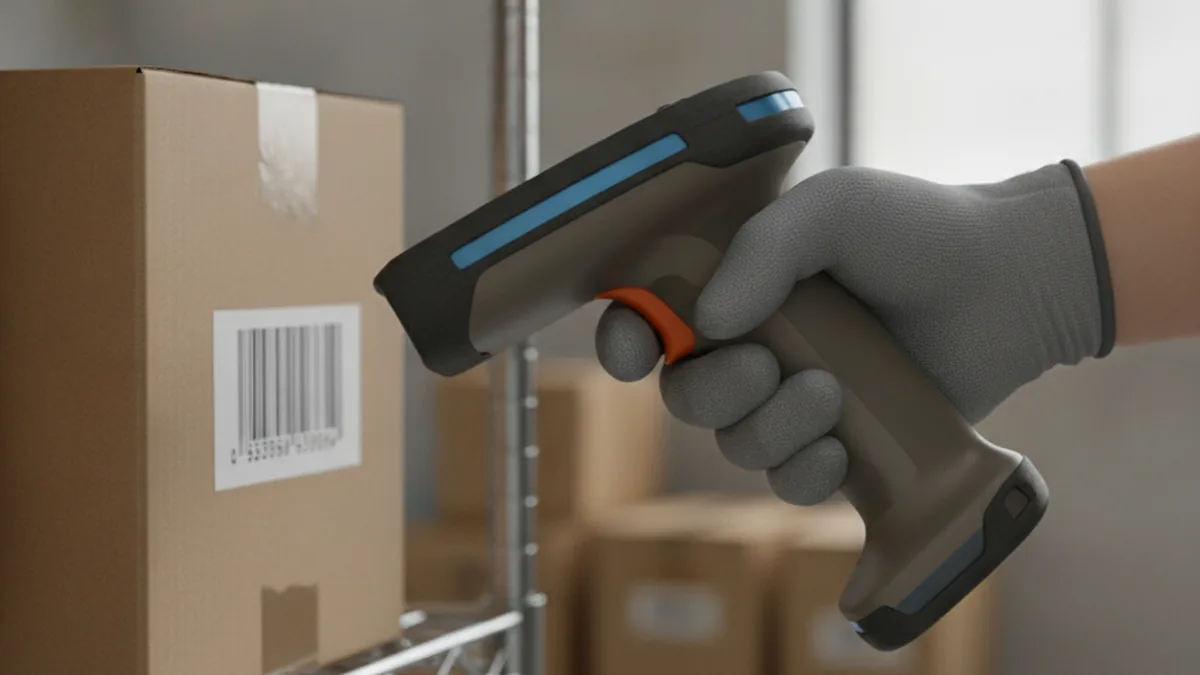
The second is hardware with a vendor-specific, native-only SDK. Most mainstream camera, Bluetooth, and barcode-scanner hardware is reachable from Flutter through platform channels - Dart code calling native iOS and Android APIs directly - but some ruggedized warehouse scanners ship an SDK that's genuinely native-only, with no public interface Flutter can call into. That's a case-by-case check with the hardware vendor before committing to a stack, not a blanket rule against Flutter.
The third is a team that already has strong native iOS and Android engineers on staff with no cross-platform skill gap to bridge. If that specialist capacity already exists and isn't going anywhere, the main cost argument for Flutter - avoiding two platform hires - doesn't apply in the same way.
Cost and Timeline: What the Flutter/Native Gap Actually Looks Like
No two marketplace-ops app projects price out identically, so treat the table below as relative, not as a dollar quote - the shape of the gap matters more than any single number.
| Factor | Flutter (single codebase) | Native (two codebases) |
|---|---|---|
| Codebases to write and test | One, shared across iOS and Android | Two - Swift for iOS, Kotlin for Android |
| Team needed | One Dart-focused team | An iOS specialist and an Android specialist |
| Typical timeline | Shorter - one build, one QA cycle | Longer - effectively two parallel builds |
| Relative cost | Lower, especially over time | Higher - two teams, two release cadences |
| Ongoing maintenance load | One fix ships to both platforms | Every fix is written and tested twice |
The stakes behind that table are higher than they look for a marketplace brand specifically. A second platform's worth of bugs is a second platform's worth of risk during Black Friday and Cyber Monday week, when a broken warehouse scanning app or a crashing account-manager dashboard costs real revenue in the exact window a brand can least afford it.

How to Decide: A 4-Question Framework
Four questions settle most of these decisions without much back-and-forth.
- Do you need the exact same feature set on iOS and Android? Yes leans Flutter - that's the scenario one codebase was built to serve.
- Do you have, or can you hire, two native specialist teams? No leans Flutter - a single Dart team covers both platforms without that headcount commitment.
- Does the app lean on hardware or OS features released in the last few months? Yes leans native - that's the edge case where a cross-platform layer hasn't caught up yet.
- Is this a one-off internal tool or a product you'll maintain for years? A longer lifespan tilts toward Flutter, since the maintenance-cost gap is where the real savings accumulate.
Most marketplace-brand internal apps answer three or four of those questions in Flutter's favor. Brands without in-house mobile engineers to run this evaluation themselves are usually better off working through it with a development partner that's built both kinds of apps and can point to the specific tradeoff that applies to their situation.
Frequently Asked Questions
Is Flutter as fast as native for a warehouse scanning app?
For most warehouse scanning workflows, yes - Flutter compiles to native ARM machine code rather than running through a JavaScript bridge or WebView, so scan-and-sync loops, list scrolling, and camera preview feel native in practice. The gap that remains shows up only in edge cases - extremely heavy custom animation or frame-perfect rendering - that a typical scanning app never touches.
Can Flutter apps use barcode scanners, cameras, and Bluetooth hardware?
Yes, through Flutter's platform channels, which let Dart code call native iOS and Android APIs directly. Mainstream camera, Bluetooth, and barcode-scanning hardware is reachable this way. The exception is ruggedized scanners that ship a vendor-specific native-only SDK with no public API - those need a case-by-case check with the hardware vendor before committing to Flutter.
Does Flutter work for both an iOS account-manager app and an Android one, from one codebase?
Yes - that's the core of Flutter's pitch. A single Dart codebase compiles to separate native binaries for iOS and Android, so an account-manager dashboard ships to both platforms from one source tree, one QA pass, and one release pipeline instead of two.
Is Flutter cheaper than building native iOS and Android apps separately?
Generally yes, mainly on the maintenance side. One codebase means one team fixing one bug instead of two teams fixing the same bug twice, and one release pipeline instead of two. The upfront build cost gap is smaller than the ongoing maintenance gap, which is why the savings compound the longer the app stays in use.
Can we start with Flutter and move to native later if we outgrow it?
In most cases a marketplace brand's internal tooling never hits the ceiling that would force a move - Flutter now covers the performance and hardware-access needs of warehouse, account-manager, and field apps well. A later rebuild is realistic only if the app evolves into something leaning hard on brand-new OS features the same week they ship, which is rare for internal ops software.
How long does a typical Flutter MVP take for a marketplace ops tool?
A focused MVP - one core workflow like scanning, dashboard viewing, or route logging, built for both iOS and Android from a single codebase - commonly takes a matter of weeks to a couple of months. Timelines extend with the number of backend integrations (Amazon SP-API, Walmart Marketplace API) and hardware-specific requirements, not with adding a second platform, since that's already covered.
Do we need separate iOS and Android engineers to maintain a Flutter app?
No, and that's the main headcount argument for Flutter. A single Dart-focused team can ship and maintain both platforms, which matters for a $1M-$50M brand that doesn't have budget for two platform specialists sitting idle between releases. Native development still requires that split - a Swift engineer for iOS and a Kotlin engineer for Android, each maintaining their own codebase.