Retail Execution Apps for Marketplace Brands: Build vs Buy (and Why iOS Wins)
TL;DR: Off-the-shelf retail execution software handles standard shelf and display audits well, but it almost never connects to Amazon or Walmart account data. Brands whose field reps need Buy Box, stock, or ASIN rank visible mid-visit usually end up building a custom app - and standardize it on iOS for device-fleet management and offline-first barcode capture.
What a Retail Execution App Actually Needs to Do for a Marketplace Brand
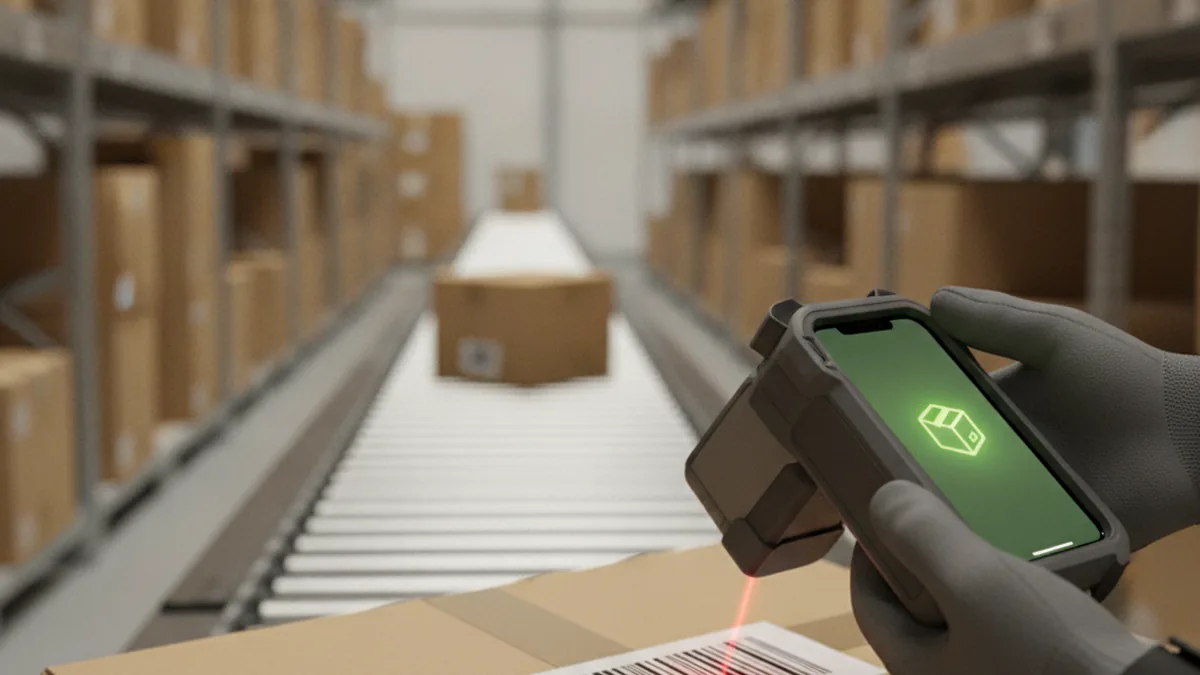
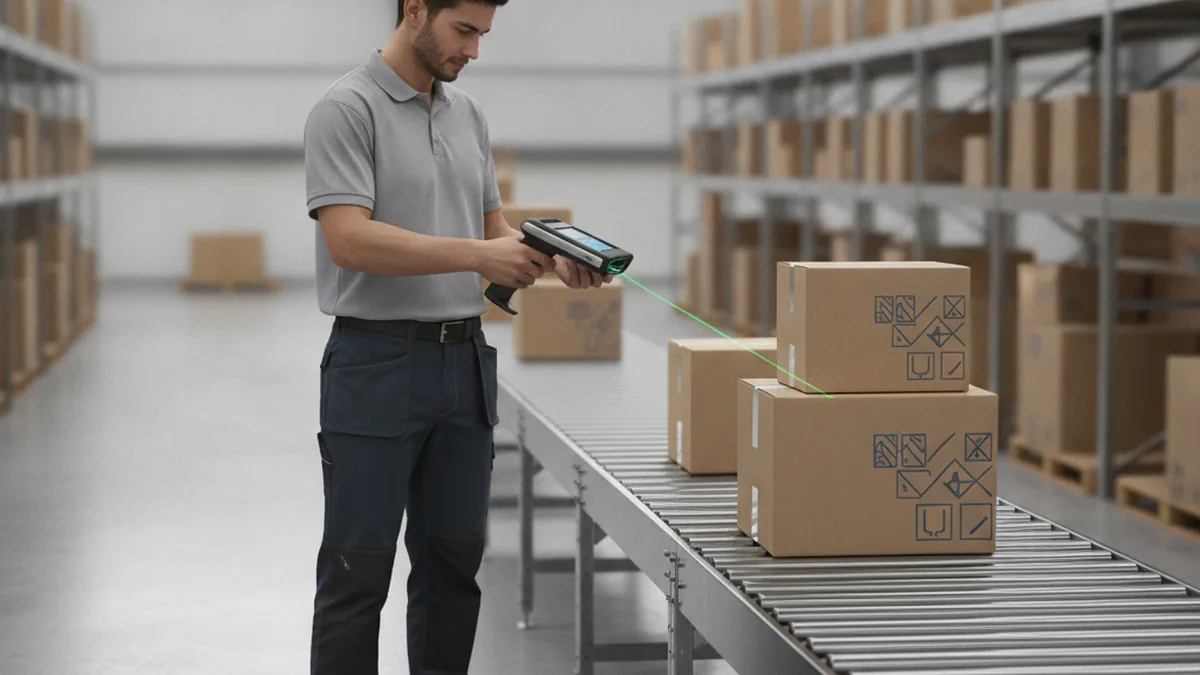
For a brand selling through Amazon and Walmart that also has a physical retail presence, "retail execution" means something narrower than it does for a traditional CPG company. A field rep walks into a Walmart or a club store, checks that a display is built to plan, confirms a price tag matches what the brand filed, and photographs any shelf gap worth escalating. That's the job most retail execution software on the market was built for, and it's genuinely a solved problem for a straightforward in-store audit workflow.
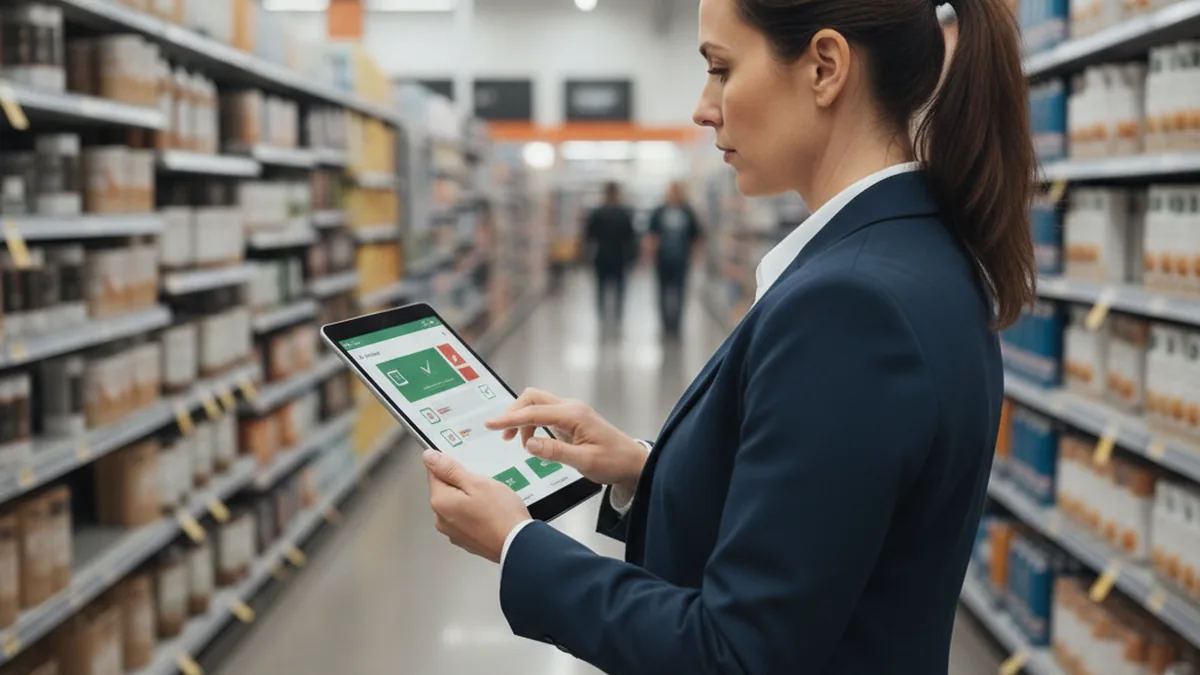
The complication shows up the moment that same rep also needs marketplace context while standing in the aisle - is this SKU currently winning its Buy Box on Amazon, is inventory about to run out, has a competitor undercut the price online in a way that explains why the in-store price looks off. Brands that go this route typically bring in outside iOS app development help - a team like YuSMP Group's that already understands SP-API and Marketplace API integration - rather than retraining an internal web team to build something that has to run reliably offline on a store floor.
That's the real fork in the road covered here: when a packaged retail execution tool is genuinely enough, when a custom build pays for itself, and why the teams that do build almost always land on iOS rather than Android for the field fleet.
The Real Cost of Building a Retail Execution App In-House
Custom software projects run over budget more often than not - industry research on enterprise software delivery has repeatedly found that a majority of projects miss their original budget, timeline, or both, and field-ops apps built by internal teams without prior mobile experience are not an exception to that pattern. The launch-day number is also rarely the real number. OS updates, device-fleet churn as hardware ages out, and changes on the Amazon or Walmart API side all generate ongoing engineering work long after the app ships.
| Factor | Off-the-shelf retail execution SaaS | Custom iOS app |
|---|---|---|
| Upfront cost | Low - per-seat setup, often live in days | Roughly $30k-$100k+ for a focused MVP |
| Time to deploy | Days to a couple of weeks | 6-12 weeks for a pilot, longer for multi-retailer rollout |
| Customization | Fixed by the vendor's roadmap | Open-ended, built around your exact workflow |
| Maintenance | Included in subscription | Ongoing engineering budget required |
| Scalability | Scales with per-seat cost, not always linearly cheap | Marginal cost per added device is low once built |
| Marketplace-API integration depth | None to minimal - not built for this | Native, built to the exact account data you need |
When Buying Off-the-Shelf Retail Execution Software Makes Sense
If the field workflow is standard - a photo, a checklist, a signature, synced to a dashboard that a regional manager reviews - a mature SaaS category already covers this well. Platforms in the Repsly/GoSpotCheck style have years of refinement behind basic audit capture, scheduling, and reporting, and a subscription is cheaper than an engineering team for a brand that doesn't have one to spare. If the field team is small, the retail footprint is a handful of doors, and nobody on staff needs to see marketplace account data while standing in an aisle, buying is the right call and building would be solving a problem that doesn't exist yet.
There's also a practical onboarding argument for buying that's easy to underweight. A packaged tool already has a mobile-friendly training flow, existing documentation, and a support line a store-level manager can call when a rep gets stuck mid-visit. A brand's first few months with any field app are mostly about adoption - getting forty or four hundred reps to actually open the thing and log honest data every visit - and a vendor that's solved onboarding at scale for other customers removes one more variable from a launch that already has enough moving parts.
When a Custom-Built App Is the Right Call - and Why That Means iOS
The signal that tips a brand toward building is almost always the same: the workflow needs account data that lives behind the Amazon or Walmart seller login, and no off-the-shelf retail execution tool talks to either. A field rep auditing a Walmart display who also needs to confirm current ASIN rank or whether the brand still holds the Buy Box on the same SKU is asking for something that packaged tools, built for traditional CPG distribution, were never designed to surface. Pulling that data through the Amazon Selling Partner API or the Walmart Marketplace API into the same screen a rep uses to log a shelf photo is a custom-integration job, not a configuration toggle.
Why Marketplace Brands Standardize Field Fleets on iOS
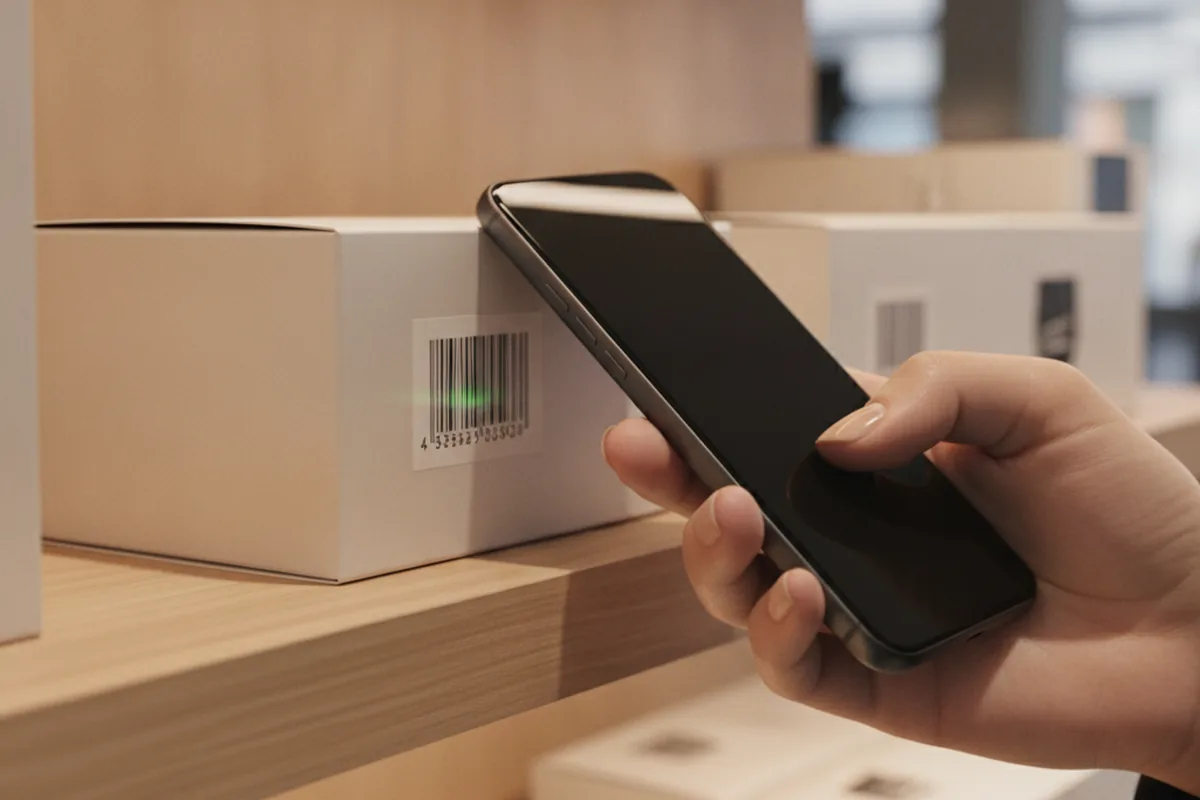
Once a brand commits to a custom build, the device choice tends to resolve itself quickly in favor of iOS. Apple Business Manager paired with an MDM profile lets an operations team provision, configure, and remotely wipe a fleet of company-owned iPhones or iPads as a managed unit, with a consistent camera and hardware baseline across every device in the field. TestFlight enterprise distribution handles pushing an internal-only app to reps without routing it through public App Store review, which matters for an app that's never meant to be publicly discoverable. On top of that, consistent hardware makes offline-first barcode and UPC capture - logging a scan locally and syncing once the store's Wi-Fi cooperates - far more predictable to build and support than chasing camera-quality variance across a mixed Android fleet.
A Build-vs-Buy Decision Framework for Retail Execution Apps
Three questions settle most of these decisions without much ambiguity:
- Does the workflow actually differentiate the brand, or is it a standard checklist-and-photo audit that every competitor runs the same way? Standard workflows favor buying.
- Does the team have sustained engineering capacity, not just budget for a one-time build, but ongoing capacity for OS updates and API changes? No capacity favors buying, or building through an outside team on a fixed-scope engagement.
- Does a mature SaaS tool already cover the core workflow, including any marketplace-data need? If the core loop is covered and marketplace integration isn't required, buying wins by default.
Two or more answers leaning toward "no off-the-shelf fit" is usually the point where a custom build stops being a nice-to-have and starts being the cheaper option over a two- or three-year horizon. Brands that score one "no" and two "yes" answers are usually better served piloting the off-the-shelf tool for a quarter before committing engineering budget - the marketplace-integration need is real but not yet urgent enough to justify a build timeline.
What This Looks Like in Practice for an Amazon/Walmart Brand
Take a brand running field audits across forty Walmart doors while also selling the same catalog on Amazon. A rep opens the app at the first store, pulls up that location's planogram, and logs a display that's missing a shelf-talker. Before flagging it as urgent, the same screen shows that the SKU in question is also low on Amazon inventory and sitting one competitor undercut away from losing its Buy Box - context that changes how the rep prioritizes the visit note. By the fourth store of the day, the rep has synced two dozen audit entries over spotty in-store Wi-Fi, all queued locally and pushed the moment a connection returns, without re-logging into a second app to check marketplace status at any point.
The company-owned iPhone the rep carries was provisioned through Apple Business Manager before it ever left the office - app pre-installed, store list synced, no personal App Store login required. If the device is lost or the rep leaves the company, operations can wipe it remotely without touching anything else on the phone. At the end of the week, a regional manager pulls a report that lines up shelf-compliance scores against the same SKUs' Amazon Buy Box win rate for that period - a correlation that's effectively invisible to a team running two disconnected tools, one for field audits and one for marketplace monitoring.
That correlation is usually the moment the custom build pays for itself in a way a spreadsheet projection can't fully capture: a manager notices that stores where displays consistently pass audit also tend to be the ones where the brand holds its Buy Box more reliably, which reframes field execution from a compliance checkbox into a lever that's visibly connected to online sales performance.
Frequently Asked Questions
Is retail execution software worth it for a brand that only sells online?
If the brand is purely online with no retail doors, no. Retail execution tools exist for brands that also have a physical shelf presence - Walmart stores, Target, club channels - where someone needs to verify a display, a planogram, or a price in person. A marketplace-only seller doesn't need this category at all; the relevant comparison for them is account-management tooling, not field execution.
How much does a custom retail execution app cost to build?
A focused MVP covering shelf-audit capture, offline sync, and one marketplace-API integration typically runs in the tens of thousands of dollars and a few months of development, not counting ongoing maintenance. The number moves a lot based on how many integrations and custom workflows are in scope - a single-integration pilot is a different project than a multi-retailer rollout with role-based views.
Can off-the-shelf retail execution tools integrate with Amazon or Walmart seller data?
Rarely, and not deeply. Most retail execution SaaS platforms were built for traditional CPG field merchandising and connect to retailer point-of-sale or syndicated data feeds, not to the Amazon Selling Partner API or Walmart Marketplace API. A field rep using one of these tools generally can't see live Buy Box status or ASIN rank inside the same app they're using to log a shelf audit.
Why iOS instead of Android for a field team app?
Device fleet management is the main reason. Apple Business Manager plus an MDM profile lets an operations team provision, lock down, and remotely wipe a fleet of company-owned iPhones or iPads with a consistent hardware and camera baseline, and TestFlight handles distributing an internal app to field reps without going through the public App Store review queue. Android MDM exists too, but the combination of consistent camera hardware and tight Apple Business Manager + TestFlight tooling is why most marketplace brands standardize field fleets on iOS specifically.
How long does it take to build a custom retail execution app?
A pilot version - shelf/display audit capture, offline-first sync, and one marketplace-API integration - commonly takes a matter of weeks to a couple of months. Adding multi-retailer rollout, role-based views for different field roles, and deeper account-data integration extends that timeline, mostly due to integration and device-fleet testing rather than interface work.
Do field reps need both a retail execution tool and a marketplace account-management app?
Not if the app is built right. That's actually the core argument for a custom build: a rep standing in a Walmart aisle checking display compliance often also needs to know the brand's current Buy Box status or stock level on Amazon before deciding whether a shelf gap is urgent. A single custom app that surfaces both saves the rep from switching between two logins and two interfaces mid-visit.
What's the biggest hidden cost of building in-house?
Maintenance after launch, not the initial build. OS updates, device-fleet churn, and API changes on the Amazon or Walmart side all require ongoing engineering attention that doesn't show up in a launch-day budget. Teams that budget only for the build and not for a year or more of upkeep are the ones most likely to regret going custom.